• Read

    Latest Stories

    See All
    Aspen Golann Goes Against the Grain

    Profile by Nina MacLaughlin

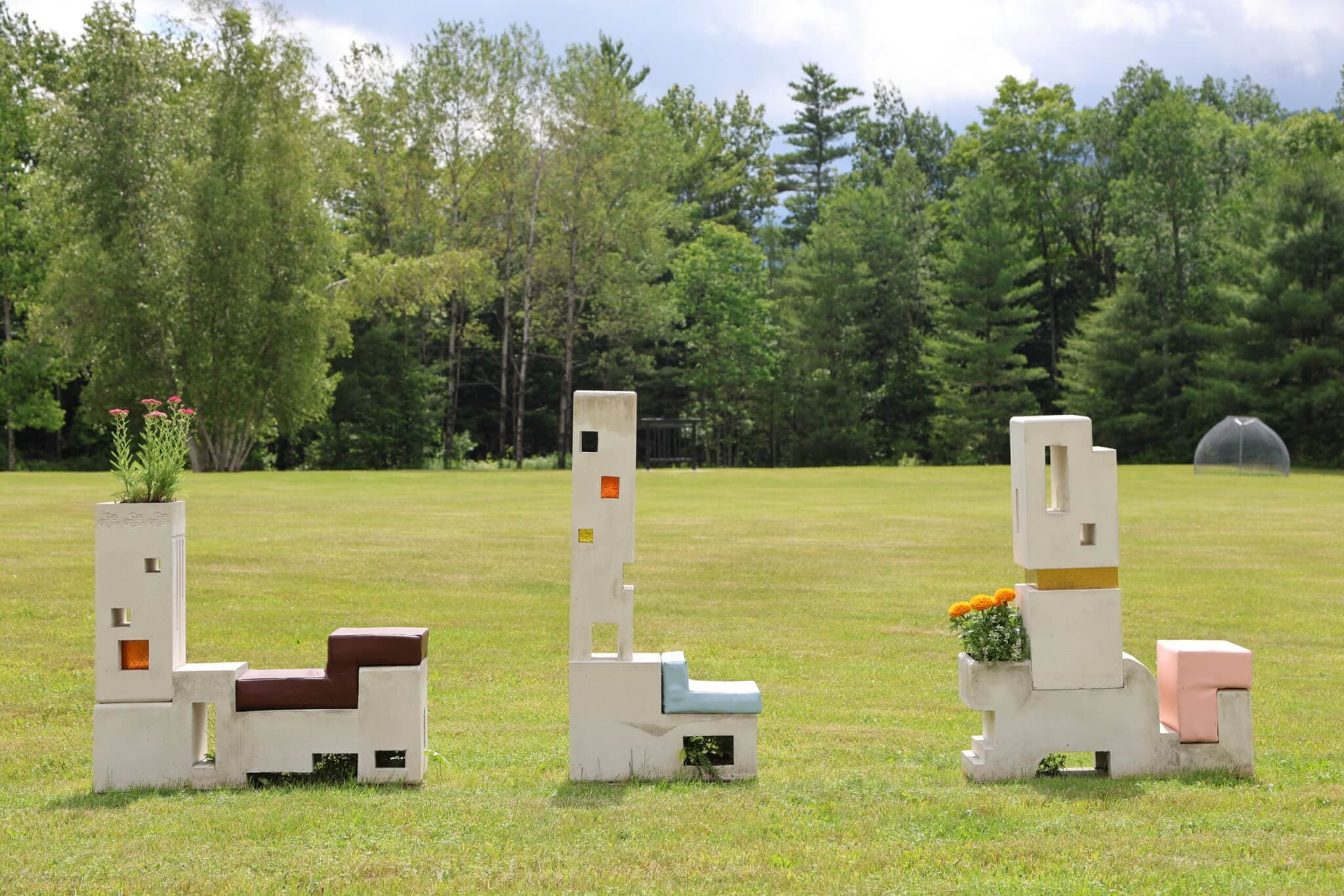
    Three concrete sculptures made to look like chairs are situated in a line in a large field.
    Outdoors and In: Fractured Legacies of Modernism

    Review by Jess Wilcox

    Editors’ Picks: Twelve Exhibitions Opening in Massachusetts This Fall

    Feature by BAR Editorial

    Civic Culture Desk

    See All
    ArtWonk: What Does It Take to Make Precarity a Collective Cause in the Arts?

    News by Kim Córdova

    Un-Monument

    See All
    Confronting the Ego: The Artist Behind King’s Chapel’s Monument

    Feature by Harmonia Rosales

    In Print

    See All
    Issue 16Issue 16
  • What's On

    Upcoming Programs

    See All
    • November 13, 2026

      Boston Art Book Fair Preview + Issue 17 Launch Party

    Weekly Happenings

    Weekly Happenings

    Radar

    Radar
  • Shop

    Featured Products

    See All
    • Boston Art Book Fair Preview + Issue 17 Launch PartyBoston Art Book Fair Preview + Issue 17 Launch Party
    • Issue 16Issue 16
    • Yearly Print SubscriptionYearly Print Subscription

    Browse

    • All Issues
    • Subscriptions
    • Gift Subscription
    • Merch

    More from BAR

    • Boston Art Radar
    • Tickets & Events
    • Find BAR Near You
  • About

    Who We Are

    • About BAR
    • Our Team
    • Board of Directors

    What We Do

    • Programs & Events
    • Our Impact

    Get Involved

    • Submit a Pitch
    • Work With Us
    • Advertise & Partner
    Support Boston Art Review
  • Support
  • Search
  • Log In

Boston Art Review (BAR) is an independent online and print publication committed to facilitating discourse around contemporary art in Boston and beyond.

Logo
Logo
Logo
Logo
Logo

© 2026 Boston Art Review. All rights reserved.

  • Shop
  • Read
  • Weekly Happenings
  • Programs
  • About
  • Support
  • Stockists
  • Advertising
  • Work With Us
  • Instagram
  • Terms & Privacy
  • Shipping & Returns

UN-MONUMENT • Nov 19, 2025

Writing As Monument: Creating Paper Artifacts

How a mysterious duo of books from Boston’s 1976 bicentennial reminded me that what survives is not always the official record, but the fragile artifact that carries memory forward.

Feature by Jameson Johnson

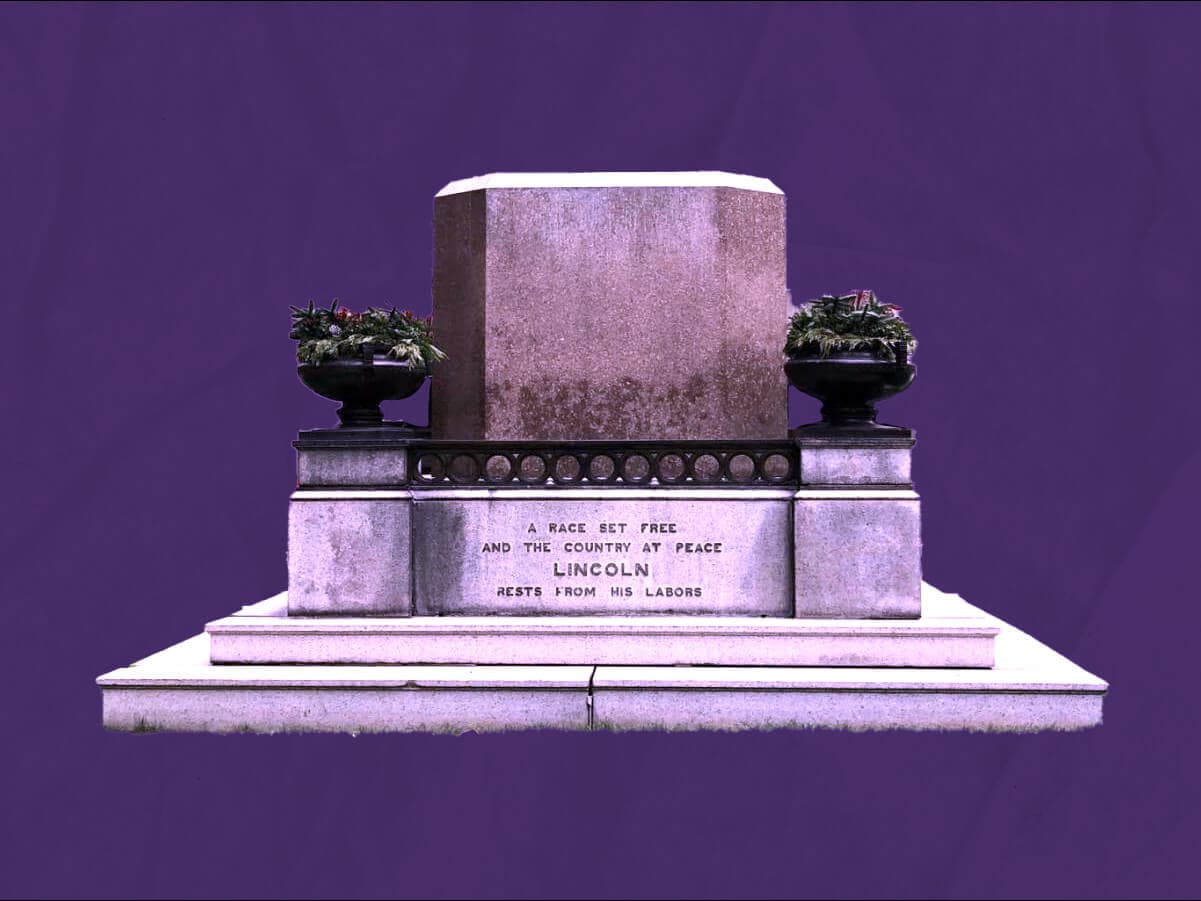
An empty plinth has become a site for contemporary art activations where the former "Emancipation Group" statue was removed in December 2020. Artwork by Tori Wong for Boston Art Review.

An empty plinth has become a site for contemporary art activations where the former "Emancipation Group" statue was removed in December 2020. Artwork by Tori Wong for Boston Art Review.

UN-MONUMENT

Boston Art Review is serving as an UN-MONUMENT partner by providing opportunities for writers to research, write, and publish work about the projects and ideas that are being developed through the UN-MONUMENT initiative with the Mayor's Office of Arts and Culture. These partnership considers writers an essential part of our creative field who can investigate, celebrate, and document discourse about monuments through alternative mediums.

You can read more about UN-MONUMENT here.

Writing is a monument.  This conviction has guided Boston Art Review’s contribution to the City of Boston’s Un-monument | Re-monument | De-monument initiative. Supported by a $3 million Mellon Foundation grant, the multi-year program invites temporary public monuments, artist commissions, and free programming across the city. Since its launch in 2024, curatorial partners have hosted open calls, commissioned new works, and staged public talks. Together, we are rethinking who and what we memorialize and how our public spaces might shift to reflect the less visible histories that shape Boston’s identity.

My own way into this work began with two slim volumes I spotted on a friend’s bookshelf. Titled Boston Celebrations, they documented speculative proposals by the ICA and MIT’s Center for Advanced Visual Studies for temporary public art during Boston’s Bicentennial in 1975 and 1976. One line in a preface jumped out: “[These are] plans and drawings for temporary visual celebrations on specific Boston sites.” It confirmed something I had suspected—Boston has been searching for a version of Un-monument for a very long time.

This is a longer essay for another time, but my preliminary research revealed that the search for a city-wide event has been turbulent. In 1967, Boston’s leaders proposed Expo ’76, a billion-dollar World’s Fair with harbor development plans and futuristic technology at its center. But the Expo collapsed under political infighting, environmental concerns, and the city’s mounting racial strife. What emerged instead was Boston 200—a scaled-back celebration with neighborhood festivals, exhibitions, and a record-breaking fireworks concert. Whether it was a success or a disappointment remains debated.

The Boston Celebrations books didn’t contain this history; their creamy pages held only speculative drawings for public art. But their obscurity and fragility—rescued by my friend from a trash bin at MIT fifteen years ago—reminded me why print matters.

Sometimes what survives is not the official record, but the fragile artifact that carries memory forward.

The essays gathered here are a sampling from a wider collection of texts that demonstrate just how expansive a monument can be. Alula Hunsen traces the contested histories of graffiti in Boston, showing how a form born of reclamation and resistance has contended with criminalization and institutionalization, often at the same time. Lian Parsons-Thomason writes about artist Daphne Xu’s film spotlighting activists from Chinatown fifty years after immigrant women organized for their children’s safety and dignity at the height of Boston’s busing crisis. And TK Smith considers the very proposition of “un-monument,” urging us to see beyond objects of stone or bronze toward the radical possibilities of memory, knowledge-sharing, and collective dialogue.

As the Un-monument projects continue to unfold across our city, we hope this writing becomes both a record and a catalyst—something to hold onto and maybe something to find on a friend’s bookshelf in fifty years.
Recent Articles

Civic Culture • OCT 01, 2026

ArtWonk: What Does It Take to Make Precarity a Collective Cause in the Arts?

by Kim Córdova

Online • SEP 29, 2026

Louisa Penfold Knows Every Child Is an Artist

by Jacqueline Houton

Online • SEP 15, 2026

Outdoors and In: Fractured Legacies of Modernism

by Jess Wilcox

Jameson Johnson

Founder & Editor in Chief

More Info